
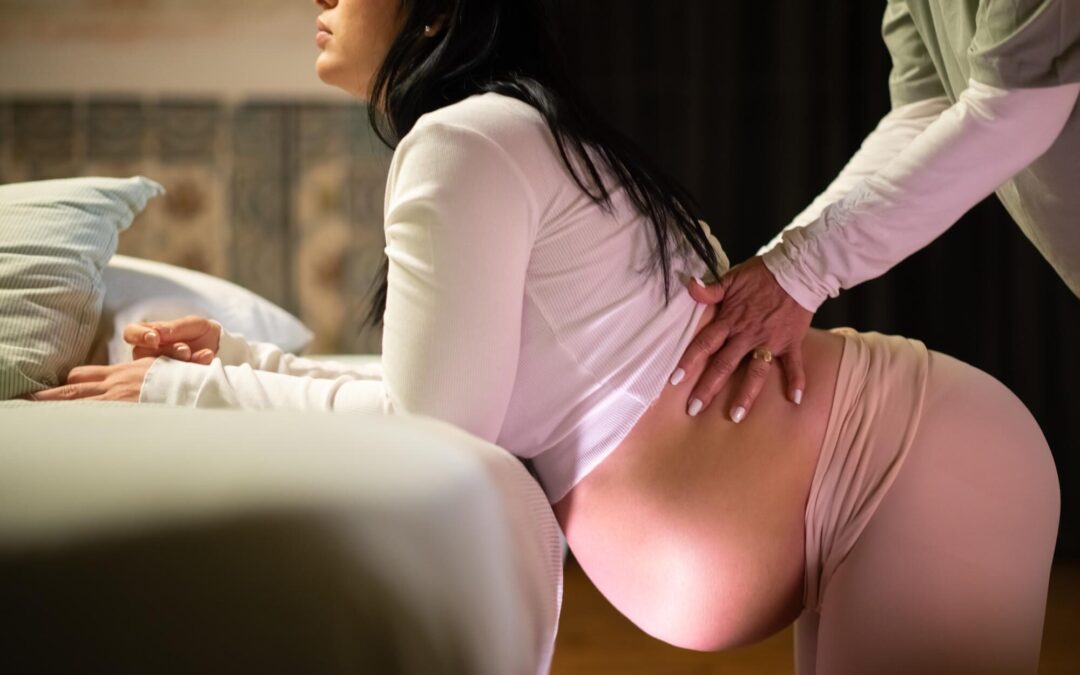
Expectant mothers usually search for safe, natural ways to relieve the constant back pain, swollen feet, and restless nights that come with pregnancy. Pregnancy massages, performed by a professional and certified prenatal therapist who follows evidence-based guidelines, are entirely safe.
They are also some of the most recommended complementary therapies by obstetricians and midwives worldwide. This guide walks you through every safety detail and addresses the concerns you may have read online so that you can book your session with total peace of mind.
What Makes Pregnancy Massage Safe When Performed Correctly
Done correctly, pregnancy massages ease lower-back and pelvic pain, reduce leg and ankle swelling, improve sleep quality dramatically, lower stress hormones, and decrease symptoms of anxiety and depression. The massage also supports healthier blood pressure, contributes to shortened labor, and reduces the need for interventions during delivery. These powerful advantages consistently emerge when you adhere to established safety protocols throughout the entire process.
Professional therapists at Beauty Kliniek hold specific prenatal certifications—typically 100–150 hours of additional training—and fully understand the physiological changes associated with gestation, such as increased blood volume, joint and ligament mobility, and exact contraindications. A regular massage therapist, no matter how skilled with non-pregnant clients, is not automatically safe or qualified to work on an expectant mother.
Certified therapists use specially designed pregnancy pillows with cut-outs, multiple bolsters for side-lying support, adjustable tables that tilt into semi-reclined positions, and warmed sheets to keep the body perfectly aligned. They avoid the abdomen completely, skip specific pressure points on the ankles and wrists, and use only long, gentle, Swedish-style strokes that promote circulation without risk of injury.
From the moment you arrive, a trained prenatal therapist asks detailed questions about your week of pregnancy, any complications, blood pressure readings, and how you feel right at that particular moment. They check in every few minutes during the session, immediately adjust the pressure or position if anything feels off, and stop instantly if you experience dizziness, cramping, or unusual pain.
Safety Considerations and Common Concerns About Pregnancy Massage
When to Schedule and When to Avoid Treatment
Most women safely begin pregnancy massages in the second trimester after week 13, when the placenta is fully formed, and the natural risk of early miscarriage drops sharply. First-trimester massage is generally considered safe when performed by a certified therapist. However, many clinics and doctors wait until week 13 because early pregnancy is fragile for reasons unrelated to massage.
It would help to avoid sessions altogether if you have preeclampsia, sudden severe swelling, placenta previa, deep-vein thrombosis history, or active bleeding. Once cleared by your doctor, monthly visits in the second trimester and weekly visits in the third trimester provide the best relief from sciatica, round-ligament pain, and edema without any added risk.
Safe Massage Positions and Pressure Levels
After the first trimester, lying flat on the back compresses the vena cava and can lower blood flow to the baby. At the same time, stomach-lying is obviously impossible as the belly grows. Therapists switch to side-lying with a complete pillow system between the knees, under the belly, and behind the back, or a semi-reclined position with bolsters that keep the torso at a 45-degree angle.
Direct abdominal pressure is never applied at any stage of the procedure. Deep pressure on the inner lower legs and specific ankle points is strictly avoided because pregnancy dramatically raises the risk of blood clots. As such, only light, upward strokes are used to move lymph fluid safely.
Knowing When to Consult Your Doctor
Always get written or verbal clearance from your OB-GYN or midwife before your first prenatal session. This is important if you have high blood pressure, gestational diabetes, placenta previa, preeclampsia, a history of preterm labor, multiples (twins or more), recent unexplained bleeding, severe morning sickness, or any other high-risk factor.
Ready For Total Mind-body Rejuvenation?
Schedule your luxury spa or holistic health treatment at Beauty Kliniek. San Diego’s award-winning wellness sanctuary for skincare, bodywork, and inner healing.
To enjoy the benefits of pregnancy massage, it is best to bring a note from your provider if requested. During the session, please inform your therapist immediately if you experience headaches, dizziness, contractions, spotting, or any other unusual symptoms. Trained therapists know when to stop and send you to your doctor for evaluation.
Addressing the Most Common Fears about Pregnancy Massage
Decades of research and safe prenatal sessions show no link between properly performed pregnancy massage and miscarriage. Early miscarriages happen because of chromosomal issues, not gentle therapeutic touch. Certified therapists avoid the few contraindicated points and use only safe techniques.
Many clinics skip oils altogether during pregnancy massages, but when used, only 100% pure, pregnancy-safe oils, such as lavender, chamomile, or mandarin, are allowed in very low dilution. Therapists always ask permission first and watch for any reaction. The famous ankle and wrist points rumored to trigger labor are avoided entirely in standard prenatal massage. Only therapists attempting induction under medical supervision would ever use them, and that is extremely rare and never done in a spa setting.
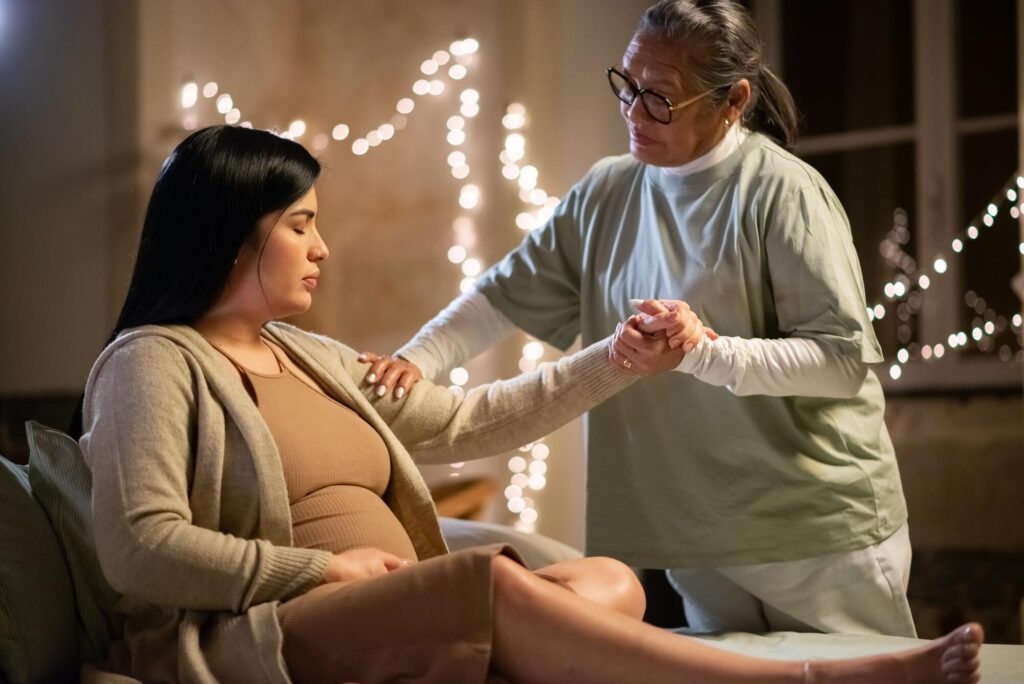
Special pregnancy pillows and side-lying setups help alleviate pressure on the belly and major blood vessels. The benefits of pregnancy massage women feel include experiencing comfort than they do in their own bed at night. Standard prenatal massage relaxes the body and lowers stress hormones; it does not stimulate uterine contractions. Induction techniques are entirely different, require medical oversight, and are never part of a relaxation session.
Key Benefits of Pregnancy Massage for the Mother and Baby
The benefits of pregnancy massage go far beyond comfort. Clinical studies have shown a reduction in back and pelvic pain, significantly less swelling in the legs and hands, fewer nighttime leg cramps, and deeper, more restful sleep. Pregnant women also experience lower rates of anxiety and prenatal depression, decreased cortisol levels, and improved placental blood flow.
Additional benefits include shorter and less painful labor, lower chances of premature birth, and the reduced need for epidurals or forceps. Babies born to women who received regular prenatal massage have higher birth weights, better Apgar scores, and fewer complications in the first weeks. Women who book sessions throughout pregnancy routinely say it’s the best thing they’ve done for their physical comfort and emotional well-being during those intense nine months.
Conclusion
When a certified prenatal therapist at Beauty Kliniek follows every safety step, pregnancy massages are among the safest and most thoroughly researched therapies available. The massages are the most rewarding ways to feel stronger, calmer, and more comfortable throughout your entire pregnancy. The relief is real, the science is solid, and the only thing you have to lose is the constant ache in your lower back. Book your prenatal massage at Beauty Kliniek today; your body and your baby deserve this kind of care.
FAQs
Are Pregnancy Massages Safe In The First Trimester?
Yes, pregnancy massages from a certified prenatal therapist are safe in the first trimester. However, many obstetricians and clinics recommend waiting until after week 12–13 because the highest natural miscarriage risk occurs early and is unrelated to massage. If you have a healthy, low-risk pregnancy and your doctor approves, gentle first-trimester sessions can ease nausea, fatigue, and early tension with no added risk.
What Are The Main Pregnancy Massage Contraindications?
The main contraindications of pregnancy massage include preeclampsia, placenta previa, severe unexplained swelling, recent vaginal bleeding, deep-vein thrombosis or clotting disorders, uncontrolled high blood pressure, preterm labor risk, fever, contagious skin conditions, or any acute complication. Your therapist at Beauty Kliniek will thoroughly screen you and request a doctor’s clearance before proceeding.
Can Deep Tissue Massage Be Done During Pregnancy?
No, deep tissue massage is never appropriate during pregnancy. Prenatal massage employs light to moderate pressure, using long, flowing Swedish strokes to improve circulation safely and gently. Deep pressure can cause discomfort, trigger bruising, or increase the risk of blood clots in the legs. As such, certified therapists avoid it altogether.
What Position Is Safest For A Pregnancy Massage?
Lying on one’s side with a complete pillow system (one between the knees, one supporting the belly, and one behind the back) or semi-reclined at a 45-degree angle with special bolsters is safest after the first trimester. These positions eliminate pressure on the vena cava, keep the uterus supported, and let you relax fully for the entire session.