
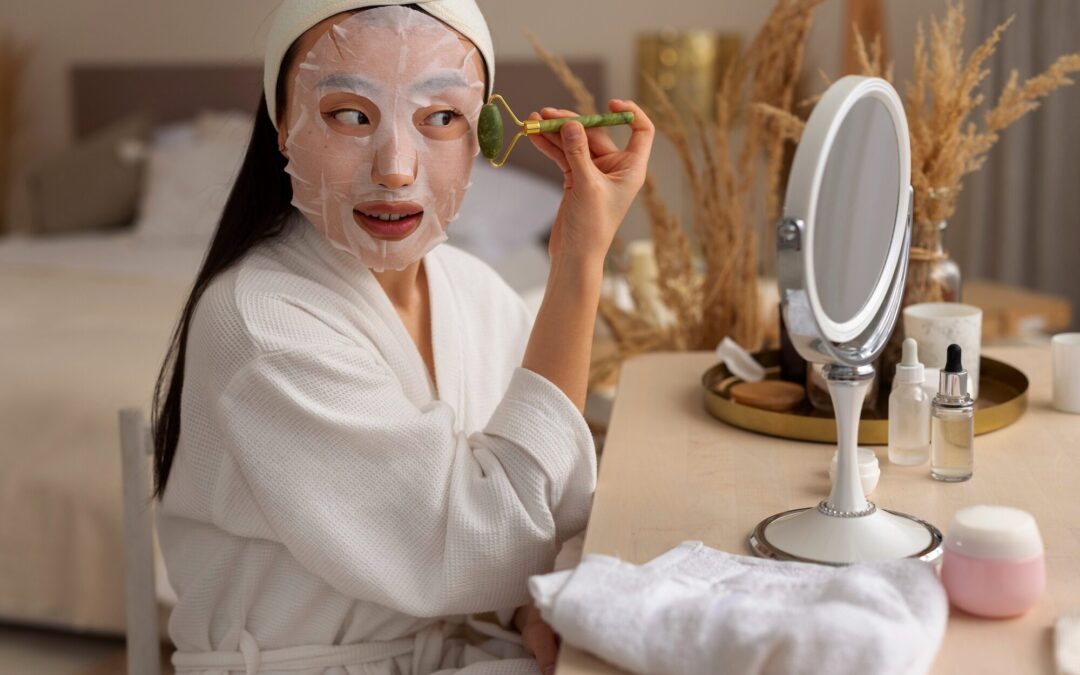
Skin care for aging skin is never about fighting every new line with panic and twenty products. It’s about working smarter: protecting what you still have, repairing daily damage, and staying consistent. Women who start a thoughtful routine in their 30s and stick with it look five to ten years younger by 50.
At Beauty Kliniek, we see it constantly: clients who follow a simple, science-backed plan at home and add professional treatments when needed enjoy firmer, brighter, more even-toned skin without ever needing drastic measures or endless shelves of jars. This guide will explore how you can tailor your anti-aging skincare routine for younger and radiant skin.
How Aging Affects Your Skin (and Why the Right Routine Matters)
From your mid-20s, collagen production declines roughly 1% per year, elastin fibers weaken, and hyaluronic acid levels decrease, resulting in the skin slowly losing its bounce, plumpness, and ability to snap back. As oil glands become less active, the protective barrier thins, allowing moisture to evaporate more quickly. Cell turnover slows from 14–21 days in youth to 45–60 days after 40, creating dullness, roughness, and a surface that reflects less light.
Unprotected sun exposure remains the biggest aging accelerator. UV rays destroy collagen, trigger dark spots, and cause broken capillaries, accounting for 80–90% of visible aging. Free radicals from pollution, blue light, smoking, and stress cause damage every day. Then come hormonal shifts, especially the sharp estrogen drop in perimenopause and menopause phases, which thin the dermis dramatically and make skin drier and more reactive almost overnight. Addressing these changes requires a targeted approach and the adoption of modern skincare methods. Ingredients like hyaluronic acid, retinoids, antioxidants, and peptides help replenish moisture, stimulate collagen production, and neutralize free radicals. Professional treatments, such as laser therapy or medical-grade facials, can accelerate results and treat deeper concerns.
This is why a targeted Anti-Aging Skincare Routine matters more than ever. Proven ingredients and daily habits can reduce future damage by up to 80%, rebuild lost collagen, strengthen the skin barrier, fade existing spots, and restore radiance. Consistency beats intensity every single time. Using the right products twice a day for a year delivers far better results, making the treatments worthy.
How to Build the Ideal Anti-Aging Skincare Routine
Daily Essentials: Cleanser, Moisturizer, SPF
Never underestimate the importance of a cleansing morning and night anti-aging skincare routine. You opt for a creamy, balm, or oil cleanser that removes makeup, sunscreen, and city grime without stripping natural oils or disrupting the microbiome. Follow with a moisturizer rich in ceramides, multiple molecular weights of hyaluronic acid, niacinamide, and antioxidants to repair the skin barrier and keep you hydrated throughout the day.
Broad-spectrum SPF 30–50 (mineral formulas with zinc are gentlest) is a powerful anti-aging product because it prevents new lines, spots, and collagen breakdown. Morning order: cleanse, serum, moisturizer, and sunscreen. Night: Double-cleanse if you wore SPF or makeup, followed by serum and a richer cream. The biggest mistakes include using hot water, foaming cleansers, physical scrubs, skipping sunscreen on cloudy days, and sleeping with makeup on.
Targeted Serums and Actives (Retinol, Vitamin C, Peptides)
Morning Vitamin C (10–20 % stable L-ascorbic acid plus vitamin E and ferulic) brightens instantly, neutralizes free radicals, boosts collagen production, and fades dark spots over time. At night, retinol or prescription retinoids remain unmatched because they increase cell turnover, smooth fine lines, even texture, unclog pores, and thicken the dermis within months.
Start low and slow (0.3–0.5%), two nights a week, and always follow with moisturizer. Peptides such as copper, Matrixyl, and Argireline signal fibroblasts to produce more collagen, resulting in visible firmness and a lifted appearance. Layer thinnest to thickest, wait 60 seconds between actives, and watch for redness or peeling. Pairing these home actives with in-clinic microneedling, radiofrequency, or laser multiplies results and shortens the timeline.
Night Rituals for Repair and Renewal
Between 10 in the evening and 2 in the morning, your skin enters its peak repair mode, where cell division speeds up, blood flow increases, and permeability is at its highest. Hence, high-potency ingredients penetrate deeper and work more effectively. Rich night creams with retinol, bakuchiol, gentle AHAs, growth factors, or ceramide-peptide blends feed that natural cycle. Layer nourishing skincare oils (such as squalane, rosehip, and evening primrose) and an occlusive moisturizer to prevent overnight water loss.
Ready For Total Mind-body Rejuvenation?
Schedule your luxury spa or holistic health treatment at Beauty Kliniek. San Diego’s award-winning wellness sanctuary for skincare, bodywork, and inner healing.
Use a cool-mist humidifier, silk pillowcases, and aim for 7–9 hours of quality sleep. One of the best Anti-Aging Skincare Tips: keep your phone out of the bedroom because blue light suppresses melatonin and accelerates aging. Order: cleanse, use treatment serum, eye cream, night moisturizer, and facial oil if your skin is extra dry.
How to Personalize Your Anti-Aging Routine by Decade
In Your 30s
This is pure prevention territory. Load up on antioxidants (Vitamin C, E, resveratrol, green tea), wear clean sunscreen every day, and introduce a gentle retinol two to three nights a week. Add weekly hydrating sheet masks to your anti-aging skincare routine, along with monthly Hydrafacials or oxygen treatments. Focus on keeping skin plump, bright, and protected before deeper lines have a chance to form.
In Your 40s
Fine lines, loss of firmness, and dullness begin to appear. Step up your peptide and collagen boosters, add chemical exfoliants (such as lactic or mandelic acid) twice a week, and consider microcurrent or radiofrequency sessions every 6–8 weeks. Nightly retinol becomes non-negotiable, eye cream moves from optional to daily essential, and neck cream joins the lineup.
In Your 50s & Beyond
Hydration and elasticity take center stage. Switch to richer creams containing ceramides, cholesterol, and fatty acids, and layer multiple forms of hyaluronic acid. Book LED therapy, radiofrequency microneedling, or advanced oxygen facials every 4–6 weeks for optimal results. Some beneficial anti-aging skincare tips include using more potent retinoids, growth factors, and collagen-stimulating treatments. These keep the skin thick, lifted, and resilient despite hormonal changes.
Common Mistakes in Anti-Aging Skincare (and How to Avoid Them)
Over-exfoliating strips the skin’s barrier and triggers inflammation; limit chemical exfoliation to a maximum of twice a week and never combine it with physical scrubs. Using retinol and high-strength vitamin C in the same routine without a buffer can cause unnecessary irritation. As such, it is best to keep them in separate morning/night slots. Most people often overlook the neck, décolletage, and hands. Extend every product downward daily.
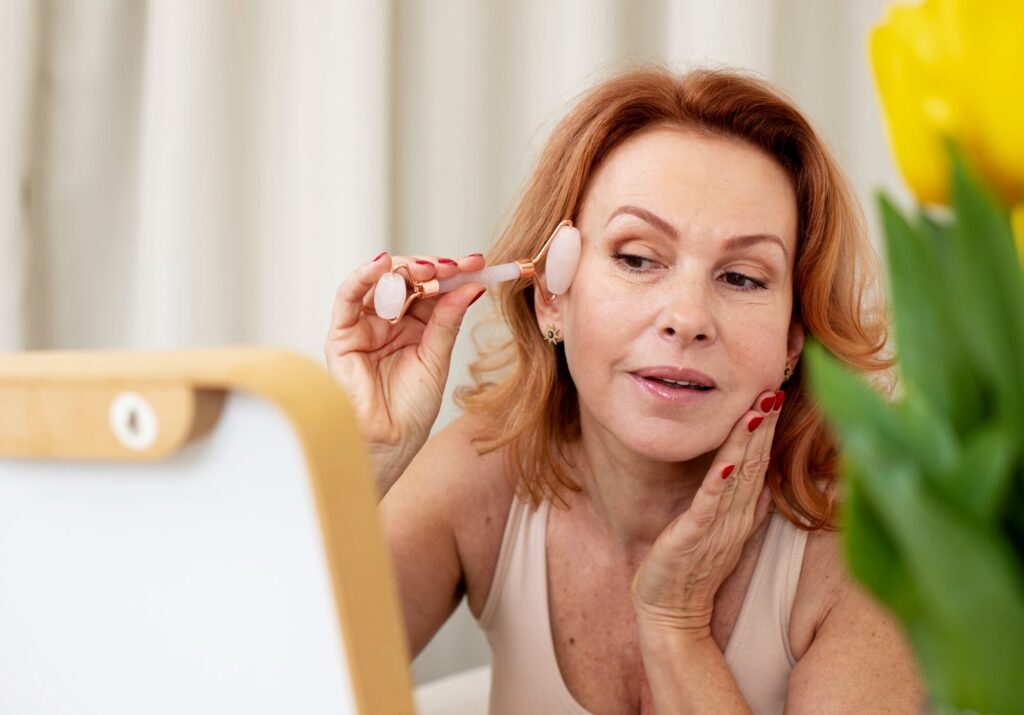
Skipping professional treatments can diminish the effectiveness of your daily Anti-Aging Skincare Routine; in-clinic procedures can amplify results tenfold. Ultimately, inconsistency is the greatest hindrance to achieving good results. Using excellent products sporadically delivers almost zero long-term benefit. Skin care for aging skin rewards patience, daily commitment, and occasional professional boosts.
Conclusion
The perfect anti-aging skincare routine is never complicated or overwhelming: cleanse gently, hydrate deeply, protect religiously with SPF every single day (rain or shine), and use proven active oils at night while your skin repairs itself. Start today—even with small, consistent steps—and in twelve months, you’ll notice a smoother texture, faded dark spots, genuine firmness, and a visible, natural glow that no filter can match.
Are you ready to build the exact routine your skin needs at this stage of life? Book a skincare appointment at Beauty Kliniek today and let our experts tailor a personalized regimen that will keep you looking like the best version of yourself for years to come.
FAQs
What Age Should I Begin An Anti-Aging Skincare Routine?
Start prevention in your mid-to-late 20s with daily sunscreen, antioxidants, and gentle hydration. Add light retinol around 30 and increase actives each decade. Anti-aging skincare tips are most effective when you start before deep lines form and stay consistent throughout your life.
Is Retinol Safe For Sensitive Skin?
Yes, when introduced slowly (0.1–0.3 %, one to two nights a week) and sandwiched between layers of moisturizer. Skin care for aging skin can include retinol; patience, buffering, and starting low make it tolerable and incredibly effective for almost everyone.
How Often Should I Get Professional Anti-Aging Facials?
Every 4–6 weeks, keep your skin glowing and supercharge your home routine. Advanced skincare routines, such as Hydrafacial, LED, oxygen, or light radiofrequency, are gentle enough for monthly visits with zero downtime and deliver cumulative, noticeable benefits over time.
Do I Need To Use Vitamin C And Retinol Together?
No, but they’re the dream team. Vitamin C in the morning for protection, brightness, and collagen support; retinol anti-aging at night for repair, smoothing, and renewal. Never apply high-strength versions in the same routine without first building tolerance, and always wear SPF the next day.