
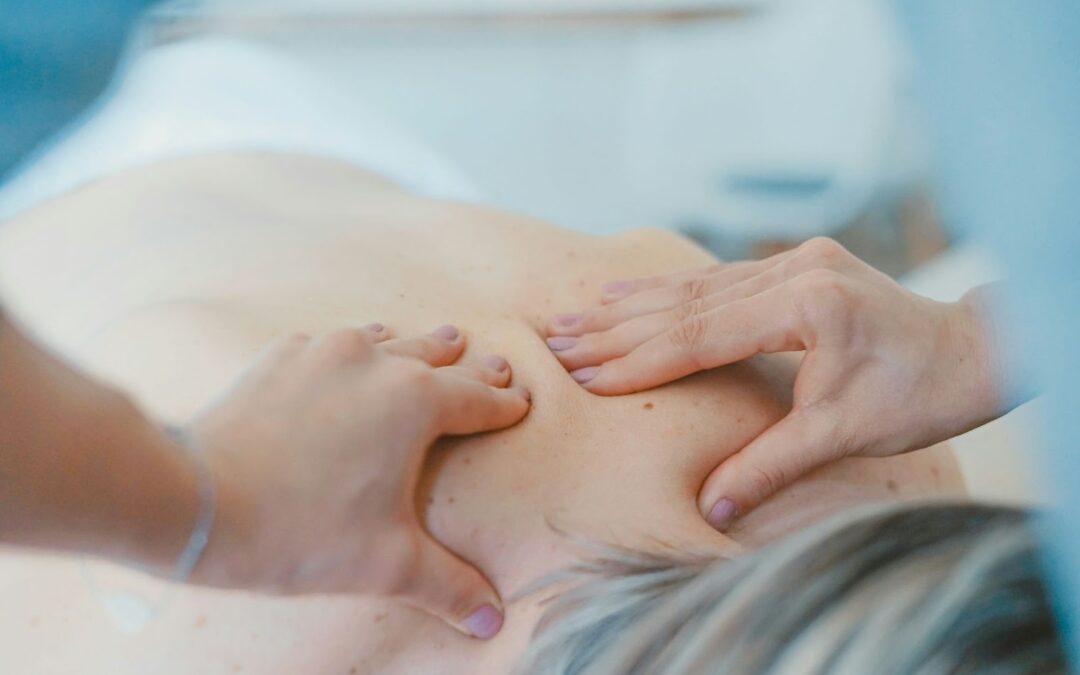
Lipedema is a chronic condition characterized by an abnormal buildup of fat cells, primarily affecting the legs and arms. This painful and often misunderstood disorder causes swelling, tenderness, and mobility challenges. These effects affect the quality of life.
While lipedema cannot be fully cured, specialized treatments such as lipedema massage offer relief by targeting affected areas to reduce discomfort and improve lymphatic flow. Among these therapies, lymphatic massage for lipedema plays a critical role in managing symptoms by encouraging healthy lymphatic drainage and minimizing fluid retention.
Ready For Total Mind-body Rejuvenation?
Schedule your luxury spa or holistic health treatment at Beauty Kliniek. San Diego’s award-winning wellness sanctuary for skincare, bodywork, and inner healing.
Many patients turn to these massage techniques as complementary treatments to support overall well-being and slow the condition’s progression. Understanding how these therapies work and their benefits is essential for those seeking effective lipedema management.
This article explores lipedema, its stages, and how targeted massage and lymphatic therapy help improve daily comfort and mobility.
What is Lipedema? Defining the Condition
Lipedema is a chronic disorder that causes abnormal fat buildup in the legs, hips, thighs, and sometimes arms. It is caused by a malfunction in how fat cells and the lymphatic system interact, leading to excessive, painful fat deposits that do not respond to diet or exercise.
Lipedema is characterized by swelling, pain, tenderness, and easy bruising. The swelling worsens throughout the day and is symmetrical, affecting both sides of the body. Tenderness and pain occur due to the pressure that excess fat places on nerves and tissues. Easy bruising happens because lipedema fat is fragile and prone to damage.
Understanding these features is vital for early diagnosis and treatment. Therapies like lipedema massage help address these symptoms by improving lymphatic flow and reducing discomfort.
The Stages and Types of Lipedema
The stages of lipedema are Stage 1, Stage 2, and Stage 3, each representing the severity and physical changes in the affected tissues. The types of lipedema include Type I, Type II, Type III, and Type IV, distinguished by the areas of the body affected.
Stage 1 is the earliest form of lipedema. The skin looks normal and smooth, but there is an increase in fat tissue beneath it. This fat feels soft and comprises tiny lumps called nodules. People may notice their legs or arms feeling heavy or tender, but swelling is mild. Early treatment with therapies like manual lymphatic drainage therapy or lipedema massage can help manage symptoms well.
Stage 2 is more advanced. The skin surface becomes uneven, with a bumpy or dimpled texture that many describe as looking like a mattress. The fat lumps are larger and harder at this point. Pain and tenderness increase, and swelling becomes more obvious, sometimes limiting mobility.
Stage 3 is the most severe and visible. Large fat deposits form, causing significant swelling and skin folds. The limbs become misshapen with thickened, uneven skin. This stage causes pain and makes it difficult to move, which increases the risk of other issues like fluid buildup (lymphedema).
There are different types of lipedema based on where the fat mainly accumulates:
- Type I affects the hips and upper thighs.
- Type II involves fat buildup from the hips down to the knees.
- Type III includes the thighs, knees, and sometimes calves, causing wider and heavier legs.
- Type IV affects the arms and may sometimes affect both arms and legs.
Knowing the stages and types helps doctors and therapists choose the best treatment plan.
How Specialized Massage and Lymphatic Therapy Help in Lipedema
Specialized massage and lymphatic therapy help lipedema by reducing swelling, relieving pain, improving mobility, and softening affected tissues. These therapies work together to target the underlying issues caused by lipedema and support overall health.
These specialized massages reduce swelling by stimulating the lymphatic system to drain excess fluid that builds up in the affected limbs. This fluid retention is a major cause of discomfort and heaviness in lipedema. Therefore, reducing it improves how patients feel daily.
Pain relief is achieved because the massages help release tension from hardened fat tissue, which can press on nerves and cause soreness. Loosening this fat tissue reduces the pressure and lessens discomfort.
Improving mobility is another key benefit. As swelling and pain reduce, patients find it easier to move their arms and legs, which enhances their quality of life and independence. These therapies soften the thickened and nodular fat deposits typical of lipedema. This makes the affected areas more supple and manageable, which slows disease progression.
Lipedema massage and lymphatic massage for lipedema provide a non-invasive, effective way to manage symptoms and improve well-being for those with lipedema.
The Benefits of Manual Lymphatic Drainage (MLD) for Lipedema
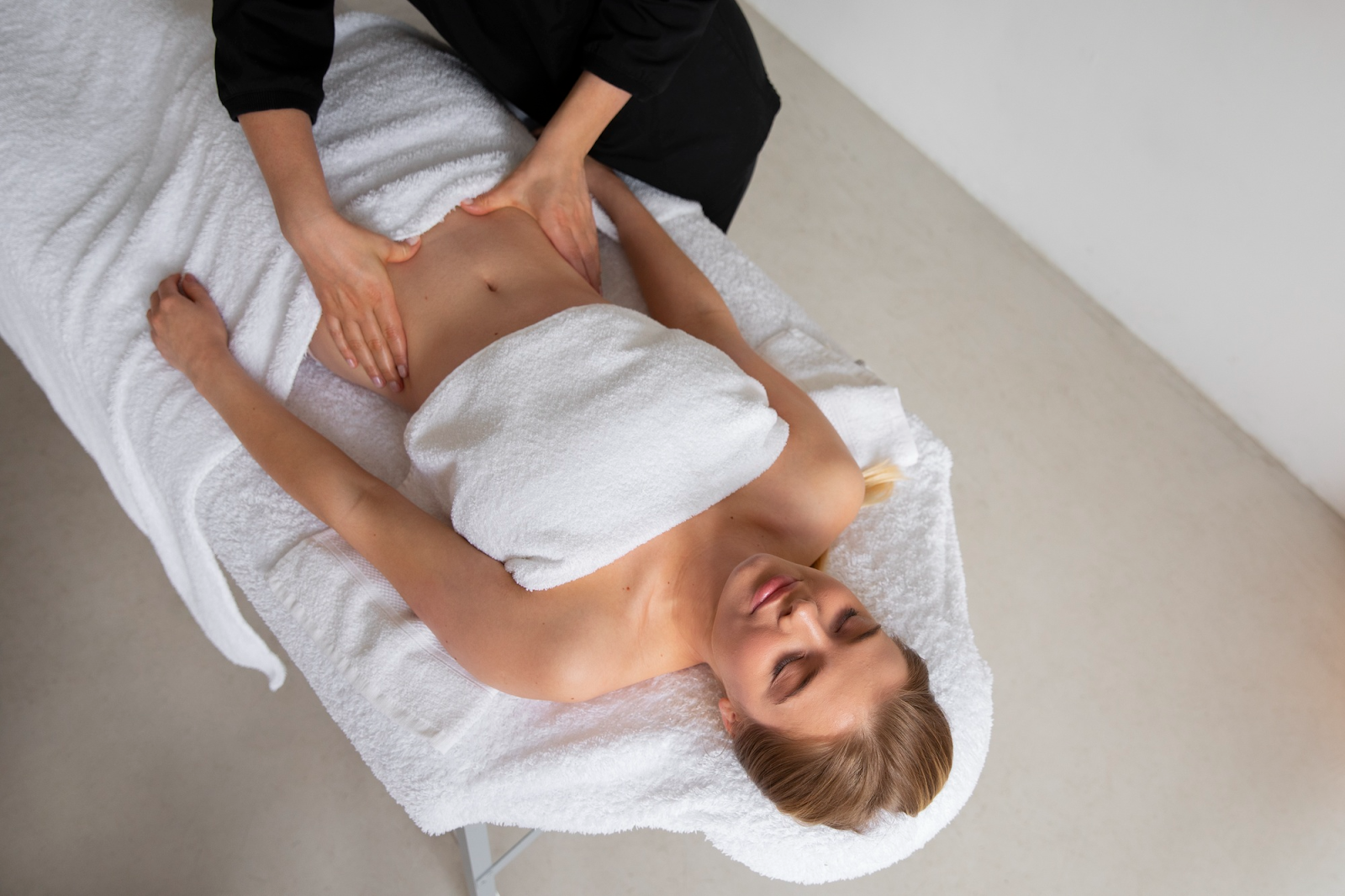
The benefits of manual lymphatic drainage therapy include reducing pain and tenderness, improving mobility, slowing disease progression, softening tissues, and enhancing overall well-being. Each of these benefits plays a crucial role in managing lipedema symptoms.
Reduces Pain and Tenderness
Manual lymphatic drainage therapy helps decrease pain and tenderness by stimulating the lymphatic system and encouraging the removal of excess fluid accumulating in the tissues. This buildup causes pressure on nerve endings, leading to discomfort.
MLD improves circulation and releases tissue tension by gently massaging the affected areas. Many patients experience noticeable relief in soreness and sensitivity after a few sessions. The relief makes daily activities easier and more comfortable without strong pain medications.
Improves Mobility
MLD improves mobility by reducing swelling and stiffness in the limbs affected by lipedema. As fluid drains and tissues soften, joints and muscles regain flexibility, allowing for better movement.
This increased mobility supports physical activity and enhances overall independence. Patients report feeling lighter and less fatigued after therapy, encouraging continued movement and exercise. This is essential for managing lipedema in the long term.
Slows Progression
One of the vital benefits of manual lymphatic drainage therapy is its ability to slow lipedema progression. MLD limits further fat tissue enlargement and prevents the development of secondary lymphedema by promoting effective lymph flow and reducing fluid buildup. Early and consistent treatment with MLD can help manage symptoms more effectively and maintain limb shape, offering patients a better quality of life.
Softens Tissues
MLD gently softens the hardened and nodular fat deposits in lipedema. This happens because the therapy increases lymphatic circulation, improving nutrient delivery and waste removal within the tissues.
Softer tissues are less painful and less prone to bruising, which helps patients feel more comfortable. Tissue softening also enhances the effectiveness of other treatments, like specialized massage, making combined therapies more beneficial.
Enhances Well-being
Manual lymphatic drainage therapy enhances overall well-being by reducing discomfort and improving body image. Patients experience a boost in confidence and mental health as symptoms become more manageable.
MLD sessions’ calming, gentle nature also promotes relaxation and stress relief, contributing to a holistic sense of health that supports long-term healing and lifestyle improvements.
Conclusion
Lipedema can cause significant discomfort and mobility challenges, but treatments like lipedema massage and manual lymphatic drainage therapy offer effective relief by improving lymphatic flow and reducing pain and swelling.
Early diagnosis and consistent therapy are key to managing symptoms and slowing progression. Choosing lymphatic massage for lipedema care ensures you receive the best support for living well with lipedema. Book an appointment today to get specialized massage therapy and maintain long-term quality of life.
Lipedema FAQs
Can Lymphatic Massage Help Lipedema?
Yes, lymphatic massage for lipedema helps reduce swelling and discomfort by improving lymphatic drainage. This therapy gently moves lymph fluids away from affected areas, easing pressure and promoting detoxification. It supports pain relief and tissue softening, making it an effective part of managing lipedema symptoms alongside other treatments.
Can You Break Up Lipedema Fat with Massage?
Massage cannot break up lipedema fat, as the fat deposits resist diet and exercise. However, specialized massages like lipedema massage soften fibrous tissue and reduce swelling, which improves comfort and mobility. These treatments help manage lipedema symptoms rather than cure the condition by supporting lymphatic flow and decreasing fluid buildup.
How Often Should You Have Lymphatic Drainage Massage for Lipedema?
The frequency of lymphatic drainage massage for lipedema varies, but many experts recommend weekly or biweekly sessions. Over time, treatments can be spaced out based on symptom improvement and severity. Regular lymphatic massage sessions for lipedema help maintain swelling control and reduce pain, making it easier to manage lipedema long-term.