
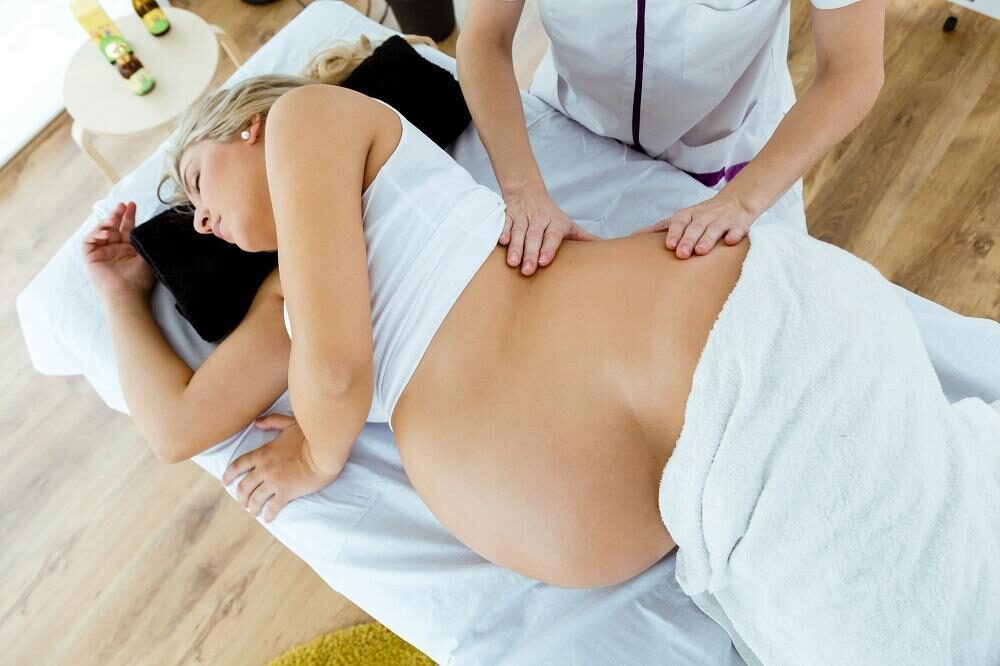
Pregnancy is a transformative journey filled with moments of joy, anticipation, and physical change. Prenatal massage San Diego is an essential support tool designed to nurture the mom and baby through this journey. The specialized massage therapy combines gentle touch, expert positioning, and customized techniques to enhance well-being, relieve discomfort, and promote relaxation at every stage of pregnancy.
Whether it’s easing back pain or reducing swelling, prenatal massage offers holistic care that respects the unique needs of pregnant women. This makes it a vital part of prenatal wellness plans in San Diego.
Understanding Prenatal Massage
How Prenatal Techniques Support Mom and Baby
Prenatal massage uses gentle, specialized techniques carefully adapted throughout pregnancy to support the health of the mom and baby. This massage improves circulation, reduces swelling, and eases muscle tension while reducing stress and anxiety. It helps relieve common pregnancy discomforts like back and pelvic pain while promoting overall relaxation and better sleep.
By nurturing the mother’s physical and emotional well-being, prenatal massage supports a healthier pregnancy experience and fosters a stronger bond between the mother and her unborn baby. Certified prenatal massage therapists use safe positioning and pressure, ensuring the comfort and safety of each client during every session.
What is a Prenatal Massage?
Prenatal massage is a safe, gentle therapy tailored specifically to pregnant women, adapting techniques to the unique needs of each trimester. During the first trimester, the focus is mainly on relaxation using light pressure to avoid overstimulation, while avoiding the abdomen and certain reflex points.
In the second trimester, as the belly grows, positioning is key; side-laying with supportive cushions is standard, and massage targets the lower back, hips, and swollen areas to ease tension and improve circulation. By the third trimester, massage helps manage pelvic pressure, leg swelling, and sleep disturbances, again using gentle strokes while avoiding deep pressure in sensitive zones. Certified prenatal massage therapists use specialized tools and cushions to support the mother’s changing body and ensure safety for the mom and baby throughout the pregnancy journey.
Key Prenatal Massage Benefits
Prenatal massage offers a wide range of health benefits designed to support the demanding lifestyles of pregnant women. This gentle, specialized therapy helps alleviate the common discomforts of pregnancy, promotes relaxation, and boosts emotional well-being. The key benefits that make prenatal massage an essential part of pregnancy care are discussed below.
Relieves Back, Hip, and Pelvic Discomfort
Many pregnant women experience pain and tension in the back, hips, and pelvic area due to weight gain and postural changes. Prenatal massage targets these areas to relieve muscle tightness, reduce nerve pressure, and improve mobility, making daily movement easier and more comfortable.
Reduces Swelling and Improves Circulation
Swelling (edema) of the hands, feet, and legs occurs during pregnancy due to fluid retention and reduced circulation. Prenatal massage stimulates lymphatic drainage and blood flow, helping to reduce swelling, flush out toxins, and prevent fluid buildup. This boosts overall circulation, which is vital for the health of both mother and baby.
Supports Better Sleep and Lower Stress
Pregnancy causes anxiety, stress, and sleep disruptions. Prenatal massage promotes relaxation by lowering cortisol (stress hormone) levels and increasing serotonin and dopamine, mood-enhancing chemicals. This calming effect helps improve sleep quality, reduces anxiety, and enhances emotional balance throughout pregnancy.
Enhances Emotional Well-being during Pregnancy
Beyond physical relief, prenatal massage fosters a deep sense of emotional well-being. The nurturing touch, combined with the peaceful environment of a session, helps mothers-to-be reconnect with their bodies and their babies. This holistic wellness builds confidence, reduces feelings of isolation, and provides essential emotional support for a healthier pregnancy experience.
Safety Considerations and Common Concerns about Pregnancy Massage
When to Schedule and When to Avoid Treatment
Prenatal massage is safe once the first trimester is over, as the risk of miscarriage decreases. Many therapists prefer to wait until after 12 weeks. It is vital to consult your obstetrician before starting massage therapy, especially if you have high-risk conditions like preeclampsia, high blood pressure, gestational diabetes, or a history of preterm labor. If you experience unusual symptoms, such as bleeding or severe swelling, avoid massage and seek medical advice immediately.
Safe Massage Positions and Pressure Levels
During pregnancy, positioning is critical for safety and comfort. Therapists use side-laying or semi-reclined positions supported by cushions to prevent vena cava compression, which can reduce blood flow to the fetus.
Ready For Total Mind-body Rejuvenation?
Schedule your luxury spa or holistic health treatment at Beauty Kliniek. San Diego’s award-winning wellness sanctuary for skincare, bodywork, and inner healing.
Avoid lying on your back or stomach. Massage pressure should be gentle and soothing, with deep tissue techniques being avoided to reduce risks like dislodging blood clots or overstimulating sensitive areas.
Knowing When to Consult Your Doctor
Before booking a prenatal massage, ask, “Can I have a back massage in early pregnancy?” The answer varies per individual, but it’s best to get your healthcare provider’s green light during early pregnancy. Always inform your therapist about your full medical history, pregnancy complications, and current symptoms. If any discomfort or pain arises during massage, communicate immediately and stop the treatment if necessary to prioritize safety.
Techniques Used in Pregnancy Massage
Pregnancy massage involves gentle, nurturing methods carefully designed to support pregnant women through the emotional and physical changes of gestation. Certified therapists employ specific techniques that promote comfort and health without risking harm.
Gentle Muscle Work and Stretching
Therapists use light kneading and slow, rhythmic strokes to relax tight muscles, particularly around the back, hips, and legs. Gentle stretching helps relieve tension, improve flexibility, and ease common pregnancy aches. These techniques focus on comfort and avoid deep pressure, carefully respecting sensitive areas and the mother’s changing body shape as the belly grows.
Lymphatic Techniques for Swelling Relief
Pregnancy comes with swelling due to fluid retention and reduced circulation. Lymphatic drainage massage uses soft, sweeping motions to stimulate the lymphatic system, encouraging the removal of excess fluids and toxins. This technique helps reduce swelling in the feet, ankles, and hands, and supports better circulation for overall wellness during pregnancy.
Breathing Support and Relaxation Methods
Incorporated breathing exercises and calming massage strokes enhance relaxation, reduce stress, and support better sleep. Therapists guide expectant mothers in slow, deep breathing while using gentle touch to soothe the nervous system. These relaxation methods help alleviate anxiety, improve mood, and create a peaceful environment, fostering emotional well-being alongside physical relief.
How to Prepare for Your First Session with Prenatal Massage Therapists

What to Wear and What to Expect
When preparing for your first prenatal massage, comfort is paramount. Wear loose, breathable clothing that is easy to remove or adjust, as you will drape yourself with a sheet or towel for modesty and warmth. Your prenatal massage therapist will help position you safely using special cushions and bolsters, usually on your side to avoid pressure on your abdomen.
Expect a calm environment with soft lighting and soothing music to enhance relaxation. You’ll be invited to communicate any discomfort or specific areas needing attention for a personalized session.
Communicating Your Needs and Comfort Level
Clear communication with your therapist before and during the massage is essential. Share your pregnancy stage, previous massage experience, any health concerns, and specific areas of tension or pain. Be open about your comfort levels and any sensitivities, as pregnant bodies can be more sensitive.
A certified prenatal massage therapist will customize the intensity and techniques based on your feedback, ensuring safety and effectiveness. Don’t hesitate to speak up during the session if anything feels uncomfortable or if you wish to adjust pressure or positioning.
Conclusion
Prenatal and pregnancy massage benefits extend beyond simple relaxation—they provide essential support in relieving pain, reducing swelling, improving sleep, and enhancing emotional well-being. At Beauty Kliniek, expert therapists tailor every session to meet the unique needs of expectant mothers in a safe, nurturing environment.
When you prioritize your comfort and health, Beauty Kliniek will help you embrace this special time with ease and confidence. Book an appointment today and feel the transformative power of prenatal massage for yourself.
FAQ’s
What Is A Prenatal Massage, And How Does It Help?
A prenatal massage is a gentle, specialized massage designed specifically for pregnant women. It focuses on relieving pregnancy-related discomforts such as back pain, swollen feet, and muscle tension. Prenatal massage also enhances circulation, reduces stress, and promotes relaxation, contributing to overall emotional and physical well-being during pregnancy. This therapy supports a healthier pregnancy and helps expectant mothers feel more comfortable and balanced.
Can I Have A Back Massage In Early Pregnancy?
Back massage during early pregnancy depends on individual health factors. A gentle massage is beneficial for reducing tension and stress. However, many therapists advise waiting until after the first trimester as a precaution. Always consult your obstetrician before starting massage therapy early in pregnancy to ensure safety for the mother and baby.
How Often Should I Get Prenatal Massage Sessions?
Frequency depends on personal comfort and pregnancy stage, but many experts recommend one session every one to four weeks. Regular sessions help manage pain, swelling, and stress consistently throughout pregnancy. Your prenatal massage therapist can tailor the schedule to your needs, ensuring optimal benefits while accommodating your health and pregnancy changes.
What Should I Tell My Prenatal Massage Therapist Before Starting?
Inform your therapist about your pregnancy stage, any medical conditions or complications, past pregnancy experiences, and specific areas of discomfort. Also, share your preferences for pressure and any concerns about certain areas of your body. This communication helps the therapist customize the session safely and effectively for your unique needs.
How Soon Will I Notice Pregnancy Massage Benefits?
Many women notice immediate relief in muscle tension and stress reduction after their first prenatal massage. Improved circulation and reduced swelling may take a few sessions to become apparent. Consistent prenatal massage throughout pregnancy can provide ongoing benefits, enhancing comfort and emotional well-being as pregnancy progresses.
Are There Risks With Pregnancy Massage?
When performed by a professional prenatal massage therapist, risks are minimal. However, massage is advised against if you have high-risk pregnancy conditions such as preeclampsia, preterm labor risk, or severe swelling. Always consult your healthcare provider and ensure your therapist is qualified and experienced in prenatal massage to ensure safety and effectiveness.