
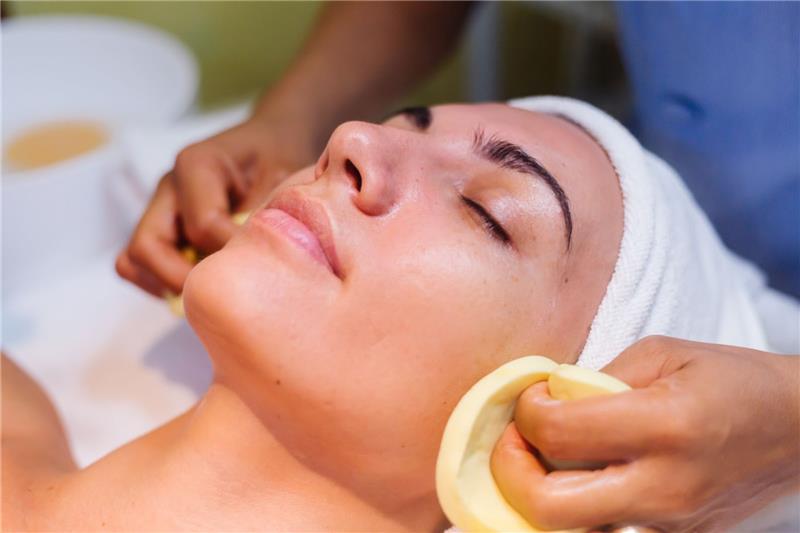
Hyperpigmentation is a common concern for people with melanin-rich skin. Whether acne scars cause it, sun exposure, hormonal changes, or inflammation, uneven skin tone can be frustrating to manage.
Thankfully, the right facials for hyperpigmentation can help brighten your complexion, fade dark spots, and restore a healthy, radiant glow.
In this guide, we’ll walk you through the best facial treatment for hyperpigmentation, how it works, what ingredients to look for, and how to incorporate them into your skin care routine for hyperpigmentation-prone skin.
Understanding Hyperpigmentation
Before we explore the solutions, it’s helpful to understand what’s going on with your skin. Hyperpigmentation happens when melanin—the pigment responsible for skin color—is overproduced in certain areas. This overproduction can be triggered by:
- UV exposure
- Acne and post-inflammatory marks
- Hormonal shifts (like pregnancy or birth control)
- Skin injuries or harsh treatments
Not all facials for hyperpigmentation are created equal, so let’s explore the effective and safe ones for sensitive or melanin-rich skin.
Top Brightening Facials for Hyperpigmentation
1. Chemical Peel Facial (AHA/BHA Peels)
A chemical peel involves applying acids, like glycolic acid (AHA) or salicylic acid (BHA), to exfoliate the top layers of the skin.
This encourages skin renewal and helps fade dark spots over time. A licensed esthetician or dermatologist should do the facial treatment for hyperpigmentation to avoid adverse effects.
2. Vitamin C Infusion Facial
Vitamin C helps suppress melanin production and brighten the skin tone naturally.
A vitamin C facial delivers concentrated ascorbic acid into the skin using massage or tools, like ultrasound or microcurrent.
Among facials for hyperpigmentation, this is one of the gentlest and most suitable for all skin types.
3. Hydrafacial with Brightening Boosters
The Hydrafacial deeply cleanses, exfoliates, and infuses the skin with serums.
When paired with brightening boosters, like alpha-arbutin or kojic acid, it becomes a powerful facial treatment for hyperpigmentation.
The facial is non-invasive and has zero downtime, making it great for regular upkeep in your skin care routine for hyperpigmentation.
4. LED Light Therapy Facial
Light therapy might sound like science fiction, but it’s rooted in real dermatological science. Blue light reduces acne-causing bacteria, while red and near-infrared light can help reduce inflammation and support cellular repair.
It helps calm post-inflammatory hyperpigmentation (PIH), and supports healing after breakouts or in between other facial treatments. Pair this with a brightening serum for enhanced results.
5. Enzyme Brightening Facial
For those with sensitive skin who can’t tolerate strong acids, enzyme facials are a gentle alternative.
Natural enzymes derived from fruits, like papaya and pineapple help to exfoliate and lighten pigmented areas.
This is a great monthly facial treatment for hyperpigmentation if you want results without irritation.
Key Ingredients to Look For in Brightening Facials
When booking facials for hyperpigmentation, pay attention to the ingredients used. The following ingredients reduce dark spots and even out your skin tone:
- Vitamin C – Brightens and protects
- Niacinamide – Reduces inflammation and suppresses melanin
- Kojic Acid – Lightens sun spots
- Licorice Root Extract – Calms skin and reduces discoloration
- Alpha Arbutin – Gentle and effective melanin suppressor
- Azelaic Acid – Treats acne and pigmentation
Always ask your esthetician or dermatologist if the products used are suitable for your skin type and concern.
How to Support Facial Treatments with a Proper Skin Care Routine
Facials give you a boost. However, your daily skincare habits matter just as much. If you’re investing in a facial treatment for hyperpigmentation, pair it with a well-designed home routine.
Here’s a sample skin care routine for hyperpigmentation:
Morning Routine:
- Cleanser: Gentle gel cleanser
- Toner: Brightening toner with niacinamide
- Serum: Vitamin C serum
- Moisturizer: Hydrating cream with antioxidants
- Sunscreen: Broad-spectrum SPF 30 or higher (non-negotiable)
Evening Routine:
- Cleanser: Makeup-removing cleanser
- Treatment: AHA serum or retinol (alternate nights)
- Moisturizer: Nourishing night cream
- Targeted Spot Serum: With alpha arbutin or kojic acid
This consistent skin care routine for hyperpigmentation helps maintain the benefits of professional treatments while keeping new discoloration at bay.
How Often Should You Get Brightening Facials?
The frequency depends on your skin type and concern. In general, for:
- Mild hyperpigmentation: Once every 4–6 weeks
- Moderate to severe hyperpigmentation: Bi-weekly sessions with alternating treatments
- Maintenance: Monthly facials combined with home care
Speak to your esthetician about a customized schedule. Overdoing facials can lead to skin sensitivity, which may worsen pigmentation.
Conclusion
There is no one-size-fits-all solution when it comes to facials for hyperpigmentation. The best results come from targeted in-clinic treatments, a solid at-home skincare regimen, and the appropriate sunscreen. Start by identifying what’s causing your pigmentation, and then book a facial treatment for hyperpigmentation that addresses it without irritating your skin. Remember, brighter skin takes time, but you’ll get there with the right care and consistency.