
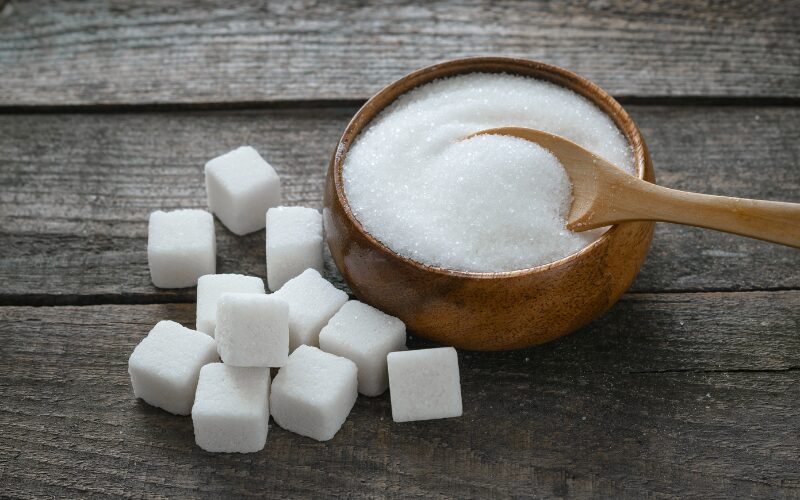
If you’ve ever felt an incredible high after a sweet treat, only to be followed by a crushing sense of fatigue and irritability, you’ve experienced the sugar blues. This phenomenon isn’t just in your head; it is a physiological reaction to the way sugar hijacks your mood, energy, and metabolism.
Understanding the blood sugar blues is the first step toward breaking the cycle of cravings and crashes that leave you feeling exhausted. In this guide, we’ll define exactly what this state is, look at how sugar impacts your long-term health, and provide actionable strategies to stabilize your system for good.
What Is Sugar Blues and Why Does It Happen?
The term sugar blues refers to the state of depression, irritability, and exhaustion that follows the consumption of refined sweeteners. It happens because of the spike-and-crash cycle. When you eat sugar, your blood glucose levels soar, triggering a massive release of insulin to move that sugar out of your blood and into your cells.
According to the Journal of Clinical Investigation, this rapid drop in glucose—hypoglycemia—can trigger the release of stress hormones like adrenaline and cortisol. People often ask what blue sugar or the blues are, and it essentially describes this hormonal roller coaster. These blood sugar blues are your body’s way of screaming for stability after being pushed to a metabolic extreme. When your brain is deprived of steady fuel, it creates an emergency state that manifests as mood swings and brain fog.
How Too Much Sugar Affects Your Body
The damage from the sugar blues starts with your energy levels but quickly extends to your cellular health. In the short term, you face brain fog, headaches, and intense cravings for more sugar to fix the low you’re feeling. However, the long-term impact is far more serious. Chronic sugar intake leads to insulin resistance, where your cells stop responding to the hormone, eventually resulting in weight gain and systemic inflammation.
How too much sugar affects your body is through a process called glycation, where sugar molecules damage your proteins and DNA, accelerating aging and disrupting your hormonal balance.
Over time, this chronic inflammation can lead to skin issues, joint pain, and an increased risk of chronic diseases. Your liver also takes a hit, as it has to process the fructose, often leading to fatty liver deposits even in people who don’t drink alcohol.
Natural Sugar vs Processed Sugar: What’s the Difference?
Not all sweets are created equal. The main difference in natural sugar vs processed sugar is the packaging the sugar comes in. Natural sugars found in whole foods like fruit come with a built-in brake system: fiber. This fiber slows digestion, ensuring that the sugar enters your bloodstream at a rate your body can handle without triggering a panic response.
| Feature | Natural Sugar (Fruit/Dairy) | Processed Sugar (White Sugar/HFCS) |
| Digestion Speed | Slow (due to fiber/protein) | Immediate (rapid absorption) |
| Insulin Response | Steady and controlled | Massive, sudden spike |
| Nutrient Density | High in vitamins & minerals | Empty calories |
| Satiety | Keeps you full longer | Triggers more hunger |
| Health Impact | Supports metabolism | Drives systemic inflammation |
Which Foods Reduce Inflammation and Help Stabilize Blood Sugar
To fight the blood sugar blues, professional guidance from certified nutrition experts in San Diego is essential. You need to prioritize foods that reduce inflammation. These foods provide the nutrients necessary to repair the damage caused by high glucose levels help keep your insulin response steady.
High-Fiber Vegetables
Greens, broccoli, and peppers slow the absorption of glucose. According to Harvard Health, fiber is essential for blunting the insulin spike that leads to a crash. These vegetables also provide magnesium, which is a key mineral in regulating blood sugar.
Ready For Total Mind-body Rejuvenation?
Schedule your luxury spa or holistic health treatment at Beauty Kliniek. San Diego’s award-winning wellness sanctuary for skincare, bodywork, and inner healing.
Healthy Fats and Lean Protein
Avocados, nuts, and wild-caught fish are vital foods that reduce inflammation. Pairing these fats with a natural sugar source over processed sugar helps stabilize the rate at which sugar enters your bloodstream. Protein, in particular, stimulates the release of glucagon, a hormone that works opposite to insulin to keep blood sugar from dropping too low.
Antioxidant-Rich Berries
Berries offer a lower glycemic index than most fruits, providing the sweetness you crave without the metabolic fallout. They are rich in polyphenols, which improve insulin sensitivity and reduce oxidative stress caused by previous sugar binges.
How to Manage Sugar Blues: Practical Daily Strategies
Managing the sugar blues isn’t about deprivation; it’s about more innovative combinations. If you give your body what it needs to process energy slowly, the crashes will disappear.
Eat Balanced Meals to Prevent Spikes and Crashes
Never eat naked carbs. If you’re going to have a piece of fruit or a starch, pair it with a protein and a fat. This ensures a slow, steady release of energy into your system rather than a sharp peak.
Prioritize Protein and Fiber with Carbs
Start your day with a savory, protein-rich breakfast, such as eggs or Greek yogurt. This sets your metabolic tone for the day and prevents the mid-morning sugar hunt. Fiber from seeds like chia or flax can also be added to meals to slow glucose absorption further.
Hydration and Stress Management
Sometimes thirst or stress is mistaken for a sugar craving. Drink water and practice deep breathing to lower cortisol levels, which often drive sweet tooth urges. When you are dehydrated, your blood sugar becomes more concentrated, worsening the blues.
Swap Refined Sweets with Fruit or Natural Alternatives
When the craving hits, reach for a piece of whole fruit or a small handful of dark chocolate. These provide the reward your brain wants while offering enough nutrients to prevent a total crash.
Include Movement for Glucose Utilization
A 10-minute walk after eating helps your muscles utilize glucose immediately, preventing a massive insulin surge and the subsequent sugar blues. Physical activity makes your cells more sensitive to insulin, so your body needs less insulin to get the job done.
Conclusion
Breaking free from the sugar blues requires a shift in how you fuel your body and manage your lifestyle. While these daily strategies are a great start, everyone’s metabolism is unique. If you’re tired of the constant energy roller coaster and want a plan tailored to your specific needs, it may be time for professional guidance.
At Beauty Kliniek, we offer personalized wellness and nutrition planning to help you balance your hormones and regain your vitality. Don’t let sugar control your mood and energy any longer. Schedule a consultation today to start your journey toward lasting health and metabolic freedom.
FAQs
What Exactly Causes Sugar Blues?
A rapid drop in blood glucose causes sugar blues after an insulin spike. When your sugar levels crash, your brain enters a state of perceived emergency, triggering irritability, fatigue, and intense cravings. This is exacerbated by a lack of protein and fiber in the preceding meal, leaving the body with no choice but to drop glucose levels too fast.
Are Natural Sugars Healthier Than Processed Sugars?
In the debate between natural sugar vs processed sugar, natural sugar is superior because it contains fiber, vitamins, and antioxidants. Fiber is a metabolic speed limiter that slows the absorption of sugar into the bloodstream. This prevents the violent spikes and crashes associated with refined white sugar, high fructose corn syrup, and other laboratory-created sweeteners.
How Long Does It Take To Stop Having Sugar Crashes?
Most people see a massive improvement in their energy within 3 to 7 days of balancing their meals. How too much sugar affects your body is reversible, but it requires consistency in eating fiber and protein. Over a few weeks, your insulin sensitivity improves, meaning your body becomes much more efficient at managing energy without the blues.
Can Cutting Sugar Improve Mood And Energy?
Absolutely. Cutting out the sources of the sugar blues stabilizes your brain chemistry. Without the constant hormonal fluctuations of glucose spikes, your mood becomes more consistent, your sleep improves, and your afternoon slump usually disappears entirely. Your focus and cognitive clarity sharpen significantly once the sugar fog lifts.